Menu



Free Confidential Consultations: 216-223-7535
Free Confidential Consultations: 216-223-7535


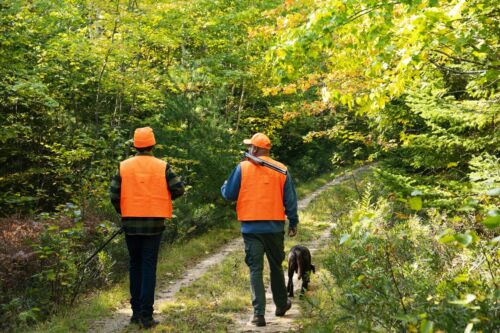
When practiced correctly, hunting is a safe activity — safer even than driving a car or riding a bike. But when hunting accidents do happen, the stakes are higher, and injuries can be catastrophic. Despite the enjoyment hunting brings to many individuals, it is an inherently dangerous activity that carries the risk of serious injuries or even death. A hunting accident can happen in an instant, but it can change someone’s life forever.
When hunting accidents occur, they often result from entirely preventable causes. Understanding these issues underscores why it is important to carefully follow hunting rules and regulations, and to know what to do and how to protect your rights if someone you love was involved in a hunting accident.
Roughly 1,000 firearm-related hunting accidents occur every year, with approximately 100 of those resulting in fatalities. The five most common causes of hunting accidents are:
If an accidental hunting shooting does occur, your actions in the immediate aftermath can mean the difference between life and death.
Once the victim is stabilized, do your best to preserve the accident scene. Note the location of people and equipment, and do not move firearms or other evidence unless necessary for safety. Contact local law enforcement and gather contact information from all witnesses. If possible, take photographs of the scene.
Gun safety and proper handling of a firearm are every hunter’s responsibility. While most hunters are serious about gun safety, hunting accidents can still happen. Hunters can reduce the likelihood of a hunting accident by:
Being visible to others is equally important. Under Ohio law, hunters must wear a vest, coat, jacket, or coveralls that are either solid hunter orange or camouflage hunter orange. While a hat is not explicitly required, it is strongly recommended for improved visibility. The bright color makes hunters visible to others but is not detectable by most game animals. Do not wear white, brown, tan, or black outer clothing that could be mistaken for deer or other game.
Individuals hunting from a stand or blind should mark their location with orange flagging or markers so others can see their position.
Hunters should communicate with others in the hunting party about positions and movements, establish clear shooting zones to avoid crossfire, and announce their presence when approaching other hunters.
Determining liability for an accidental shooting while hunting is generally fairly straightforward. The person who pulled the trigger is responsible. Regardless of whether the shooter thought they saw something else or made another unintentional mistake, they are responsible. Hunters are required to follow all gun safety rules and precautions at all times, and failure to do so constitutes negligence.
In addition to the hunter, other parties may share liability. The personal injury attorneys at Robenalt Law can analyze your situation, assist you in evaluating your options, and help you and your family recover the compensation you deserve.
With offices in Cleveland and Columbus, Robenalt Law handles personal injury claims for hunting accidents throughout Ohio and nationwide. Call our Cleveland office at (216) 223-7535 or our Columbus office at (614) 695-3800 or contact us online to schedule a free, confidential, no-obligation appointment to discuss your situation and how we can help.
© 2026 The Robenalt Law Firm Inc.
Legal Disclaimer | Privacy Policy
Law Firm Website Design by The Modern Firm